
Summer marketing gets treated like an option. Budgets ease off, content calendars go quiet, and brands wait for September to “get serious” again. That’s a mistake. Summer is actually one of the busiest windows in the cultural calendar, and the brands that show up well now build momentum that carries straight into autumn.

Reactive Marketing: Small Moments, Big Presence
The summer calendar hands brands a run of built-in moments; Wimbledon, football, festivals, heatwaves; each with its own audience, language, and mood. Reactive marketing is about joining those conversations quickly and authentically, not forcing a product into a moment that doesn’t fit.

What good reactive marketing looks like:
- Speed with relevance: the best reactive posts land within hours, not days, of the moment happening
- Tone matching the occasion: Wimbledon calls for polish and wit; football calls for energy and tribalism
- Brand-first, not trend-first: the moment should amplify the brand, not distort it

Levi’s is a strong example of a brand that plays reactive well; leaning into cultural moments with product tie-ins and visual storytelling that stay unmistakably “Levi’s” no matter the event. The lesson isn’t to copy the execution, it’s to copy the discipline: know your brand voice so well that you can drop it into any moment and it still sounds like you.

Planning Ahead: Scheduling Around Holidays
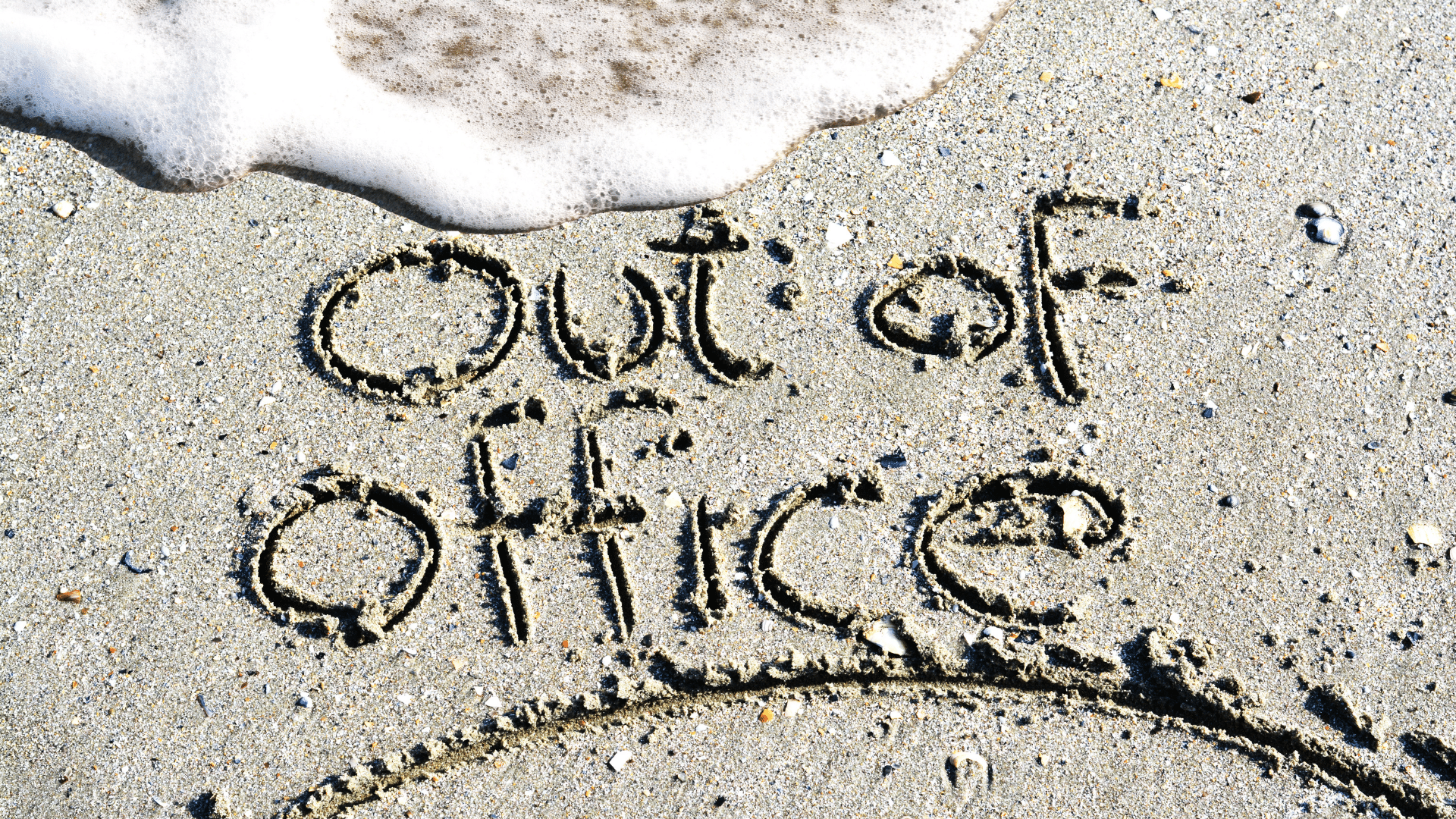
Summer is also when teams are stretched thinnest; annual leave overlaps, key people are out, and reactive marketing needs someone at the wheel. Consistency doesn’t happen by accident when half the team is on a beach. It happens because the groundwork was laid weeks earlier.
How to plan and schedule for holiday periods:
- Write the content calendar early: plan at least a month in advance, leaving deliberate gaps for reactive marketing rather than filling every slot
- Batch and schedule core content in advance: planned, non-reactive posts should be written, approved, and queued before you leave, so nothing relies on you being online
- Decide reactive coverage before you go: either flag windows where reactive opportunities will simply be missed, or line up someone who can approve and post on your behalf
- Prep reactive templates, not just reactive plans: pre-approved formats, tone guidelines, and asset libraries mean anything reactive can go out fast without you having to be reached
- Build in a re-entry step: when you’re back, a quick review of what ran, what landed, and what got missed stops the holiday period from becoming a content black hole
The Real Opportunity: Consistency Into September
Reactive content gets attention. But attention without a follow-through plan evaporates the moment the event ends. The brands that win aren’t the ones with the single viral summer post, they’re the ones who use summer engagement to build an audience they’re still talking to in September.
How to carry summer momentum forward:
- Log what worked: which moments, formats, and tones got engagement? That’s your content DNA for autumn
- Warm audiences, don’t cool them: anyone who engaged over summer should see a September message that feels like a continuation, not a cold restart
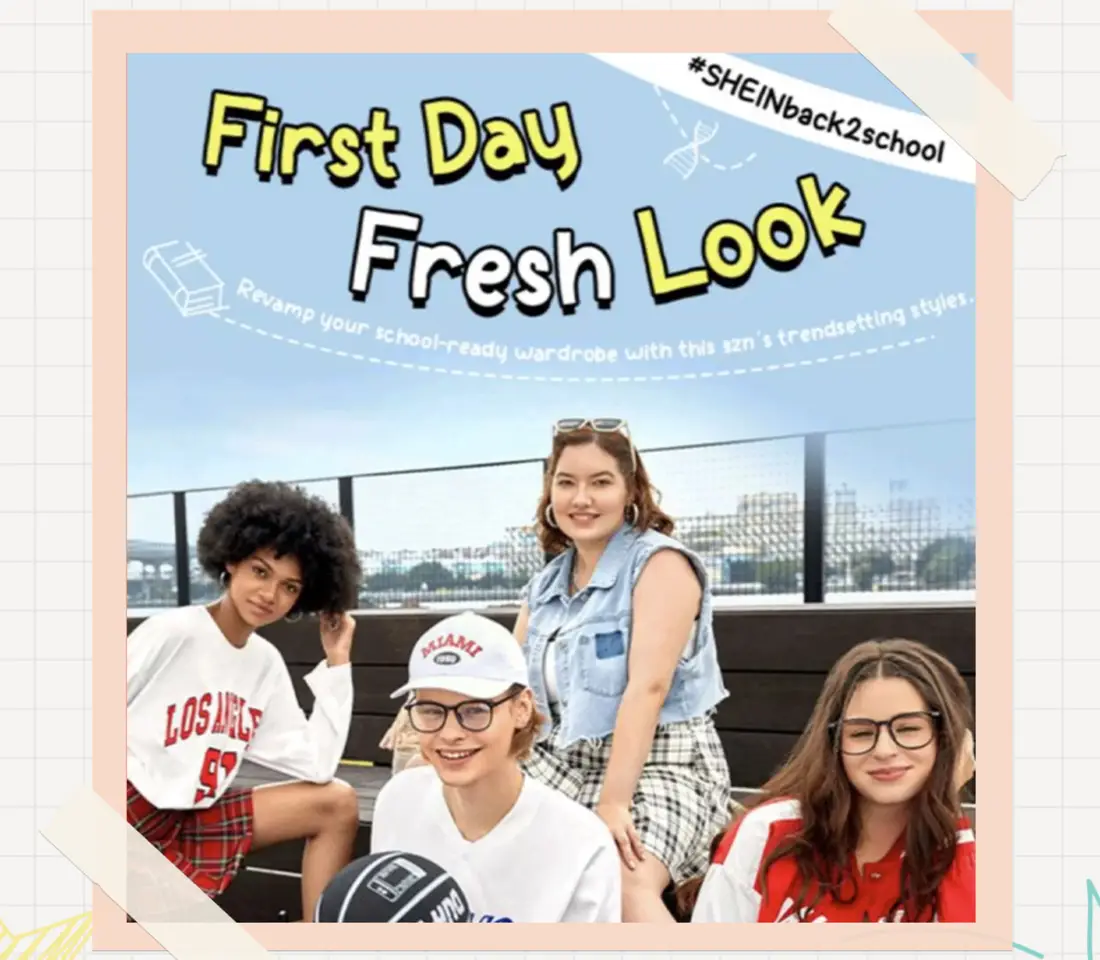
- Plan the September pivot now: back-to-school, new-season launches, and Q4 planning all land in September; your summer content should be quietly laying groundwork for it
- Keep the brand voice constant: reactive content can flex in tone for the moment, but the underlying voice, values, and visual identity should never wobble
The Takeaway
Summer isn’t downtime, it’s proof of consistency. Every post is a chance to show an audience exactly who a brand is, under pressure and at speed. Do that well, and September isn’t a re-launch. It’s a continuation of a conversation that never really stopped.
If you need help with your summer marketing, why not reach out?